云小川网

×

30天英语提升计划:早起开启高效学习新一天

你有多久没用英语说"早安"了?

嗨,亲爱的英语学习者!当闹钟响起的那一刻,你的英语思维是否还在沉睡?很多人学了很多年英语,却连早晨起床这样简单的场景都不知道如何表达。今天,就让我们从睁开眼睛的那一刻开始,让英语成为你一天中最自然的陪伴!

想象一下这个场景:你刚醒来,伸个懒腰,准备开始新的一天。如果你能在这个时刻用英语描述自己的状态和动作,那该多酷啊!别担心,这一章会带你从零开始,掌握早晨起床场景的必备英语表达,让你从睁眼那一刻就能元气满满地说英语!

一、起床唤醒:让英语成为你的morning call

1.1 闹钟响起的那些表达

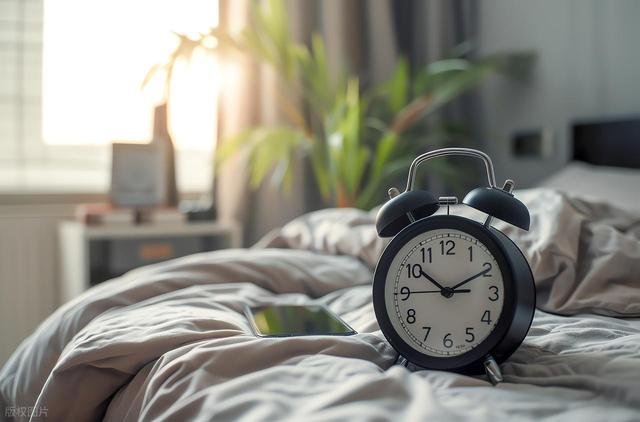
每天早上,叫醒我们的可能是闹钟,也可能是阳光。来看看这些唤醒相关的表达:

核心词汇

  • alarm clock [əˈlɑːm klɒk] - 闹钟
  • wake up [weɪk ʌp] - 醒来,起床
  • get up [ɡet ʌp] - 起床(强调动作)
  • oversleep [ˌəʊvəˈsliːp] - 睡过头
  • snooze button [snuːz ˈbʌtn] - 贪睡按钮
  • ring/beep [rɪŋ/biːp] -(闹钟)响
  • 地道表达

  • My alarm clock went off at 7 a.m. 我的闹钟早上7点响了。 注意:这里用went off表示"响起",而不是用ring或sound
  • I hit the snooze button for five more minutes. 我按了贪睡按钮,想再睡五分钟。 hit the snooze button是地道说法,表示"按贪睡按钮"
  • I woke up early this morning. 我今天早上醒得很早。 wake up强调"醒来"的状态
  • time to get up and shine! 该起床发光啦! 这是充满活力的表达方式,shine表示"发光、出色"
  • 实用对话 A: Did you set the alarm for tomorrow? 你明天定闹钟了吗? B: Yes, I set it for 6:30. 定了,我设的是6点半。 A: Don't oversleep again! 别再睡过头了! B: I won't. I have three alarms set just in case. 不会的,我设了三个闹钟以防万一。

    1.2 描述睡眠状态

    早晨醒来,我们常常需要表达自己的睡眠状况。这些表达很实用:

    睡眠质量相关

  • I slept like a log. 我睡得很沉。(直译:像木头一样睡)
  • I didn't sleep a wink. 我根本没合眼。
  • I had a restless night. 我昨晚辗转反侧。
  • I'm still groggy. 我还晕乎乎的。
  • I feel refreshed. 我感觉神清气爽。
  • 例句展示 ❌ 错误表达:I slept very well last night.(太中式) ✅ 正确表达:I slept like a baby/log.(更地道)

    ❌ 错误表达:I am very sleepy now.(太简单) ✅ 正确表达:I'm still groggy from waking up.(更生动)
    二、洗漱打扮:浴室里的英语世界

    2.1 洗漱用品大集合

    走进浴室,琳琅满目的洗漱用品用英语怎么说?

    洗漱用品词汇

  • toothbrush [ˈtuːθbrʌʃ] - 牙刷
  • toothpaste [ˈtuːθpeɪst] - 牙膏
  • facial cleanser [ˈfeɪʃl ˈklenzər] - 洗面奶
  • towel [ˈtaʊəl] - 毛巾
  • shower gel [ˈʃaʊər dʒel] - 沐浴露
  • shampoo [ʃæmˈpuː] - 洗发水
  • conditioner [kənˈdɪʃənər] - 护发素
  • razor [ˈreɪzər] - 剃须刀
  • shaving cream [ˈʃeɪvɪŋ kriːm] - 剃须膏
  • mouthwash [ˈmaʊθwɒʃ] - 漱口水
  • floss [flɒs] - 牙线
  • 实用搭配

  • brush one's teeth - 刷牙
  • wash one's face - 洗脸
  • take a shower - 洗澡
  • comb/brush one's hair - 梳头
  • shave one's beard - 刮胡子
  • put on makeup - 化妆
  • apply skincare products - 涂护肤品
  • 情景对话 A: Have you seen my toothbrush? 你看到我的牙刷了吗? B: It's in the cup on the sink. 在水池杯子里的。 A: Thanks. I'm running late and need to get ready quickly. 谢谢。我快迟到了,得快点准备。 B: Just don't forget to use deodorant! 别忘了用除臭剂!

    2.2 洗漱动作的地道说法

    刷牙场景详解

  • I need to brush my teeth first. 我得先刷牙。
  • Don't forget to floss! 别忘了用牙线!
  • I ran out of toothpaste. 我的牙膏用完了。 run out of表示"用完、耗尽"
  • 洗脸场景详解

  • I'm washing my face with my new cleanser. 我在用新买的洗面奶洗脸。
  • I need to moisturize after washing. 洗完脸后我需要保湿。 moisturize [ˈmɔɪstʃəraɪz] 保湿、润肤
  • 洗澡场景详解

  • I'm going to take a quick shower. 我要去快速冲个澡。
  • The water is too hot/cold. 水太烫/凉了。
  • I forgot to bring a towel. 我忘了拿毛巾。
  • 文化提示 在英语国家,很多人习惯早上洗澡(take a morning shower),认为这样可以提神醒脑,让一整天都充满活力。而在一些亚洲国家,人们更倾向于晚上洗澡。了解这些文化差异,能帮助你更好地理解对话背景。

    三、穿衣打扮:衣橱里的时尚英语

    3.1 服装单品词汇

    上衣类

  • T-shirt [ˈtiːʃɜːt] - T恤
  • shirt [ʃɜːt] - 衬衫
  • blouse [blaʊz] - 女衬衫
  • sweater [ˈswetər] - 毛衣
  • hoodie [ˈhʊdi] - 连帽衫
  • jacket [ˈdʒækɪt] - 夹克
  • coat [kəʊt] - 大衣
  • 下装类

  • pants/trousers [pænts/ˈtraʊzəz] - 裤子
  • jeans [dʒiːnz] - 牛仔裤
  • shorts [ʃɔːts] - 短裤
  • skirt [skɜːt] - 裙子
  • 鞋袜类

  • socks [sɒks] - 袜子
  • shoes [ʃuːz] - 鞋子
  • sneakers/trainers [ˈsniːkəz/ˈtreɪnəz] - 运动鞋
  • high heels [haɪ hiːlz] - 高跟鞋
  • 3.2 穿衣动作表达

    核心动词

  • put on - 穿上(强调动作)
  • wear - 穿着(强调状态)
  • dress - 穿衣
  • take off - 脱下
  • change into - 换上
  • try on - 试穿
  • 实用表达

  • I'm getting dressed. 我在穿衣服。
  • What should I wear today? 今天我应该穿什么?
  • This shirt doesn't match these pants. 这件衬衫和这条裤子不搭。
  • I can't find my other sock. 我找不到另一只袜子了。
  • These shoes are so comfortable! 这双鞋真舒服!
  • 情景对话 A: Does this tie go with my shirt? 这条领带配我的衬衫吗? B: Yes, they match perfectly. You look sharp! 配的,完美搭配。你看起来很精神! A: Thanks. It's casual Friday, but I have a meeting today. 谢谢。今天是休闲星期五,但我有个会议。 B: Better to be overdressed than underdressed. 穿得正式总比太随意好。

    3.3 天气与穿衣

    谈论天气时,经常会涉及到穿衣选择:

  • It's chilly today. You should wear a jacket. 今天有点冷,你应该穿件夹克。
  • It's scorching hot. Just wear a T-shirt. 天气热死了,穿T恤就行。
  • It looks like rain. Don't forget your umbrella. 看起来要下雨,别忘了带伞。
  • It's freezing. Bundle up! 冷死了,穿暖和点! bundle up表示"穿暖和、裹紧"
  • 四、早餐时光:厨房里的美味英语

    4.1 早餐食物词汇

    中式早餐

  • congee/rice porridge [ˈkɒndʒi/raɪs ˈpɒrɪdʒ] - 粥
  • steamed buns [stiːmd bʌnz] - 包子/馒头
  • dumplings [ˈdʌmplɪŋz] - 饺子
  • soy milk [sɔɪ mɪlk] - 豆浆
  • fried dough stick [fraɪd dəʊ stɪk] - 油条
  • tea egg [tiː eɡ] - 茶叶蛋
  • 西式早餐

  • cereal [ˈsɪəriəl] - 麦片
  • toast [təʊst] - 吐司
  • scrambled eggs [ˈskræmbld eɡz] - 炒蛋
  • fried eggs [fraɪd eɡz] - 煎蛋
  • sunny-side up [ˈsʌni saɪd ʌp] - 单面煎蛋
  • bacon [ˈbeɪkən] - 培根
  • sausage [ˈsɒsɪdʒ] - 香肠
  • pancakes [ˈpænkeɪks] - 薄煎饼
  • Oatmeal [ˈəʊtmiːl] - 燕麦粥
  • yogurt [ˈjɒɡət] - 酸奶
  • 饮品

  • coffee [ˈkɒfi] - 咖啡
  • black coffee - 黑咖啡
  • latte [ˈlɑːteɪ] - 拿铁
  • cappuccino [ˌkæpʊˈtʃiːnəʊ] - 卡布奇诺
  • tea [tiː] - 茶
  • green tea - 绿茶
  • orange juice [ˈɒrɪndʒ dʒuːs] - 橙汁
  • milk [mɪlk] - 牛奶
  • 4.2 早餐相关表达

    吃早餐

  • What's for breakfast? 早餐吃什么?
  • I'm making breakfast. 我在做早餐。
  • Breakfast is ready! 早餐准备好了!
  • Let's grab some breakfast. 我们去吃点早餐吧。
  • I don't have time for breakfast. 我没时间吃早餐。
  • I'll just have a quick bite. 我就随便吃一口。
  • 描述早餐

  • This coffee is so strong! 这咖啡太浓了!
  • The toast is burnt. 吐司烤焦了。
  • These scrambled eggs are fluffy. 这些炒蛋很蓬松。
  • I like my eggs sunny-side up. 我喜欢单面煎蛋。
  • Could you pass me the butter? 能把黄油递给我吗?
  • 健康早餐话题

  • I started eating a healthy breakfast every morning. 我开始每天早上吃健康早餐了。
  • Oatmeal is good for your heart. 燕麦对心脏有好处。
  • I switched to decaf coffee. 我改喝无因咖啡了。
  • I'm trying to cut down on sugar. 我在努力减少糖的摄入。
  • 情景对话 A: Good morning! Coffee or tea? 早上好!咖啡还是茶? B: Coffee, please. Black, no sugar. 咖啡,谢谢。黑咖啡,不加糖。 A: Coming right up. Toast or cereal? 马上好。吐司还是麦片? B: I'll have some toast with jam, thanks. 我要吐司加果酱,谢谢。 A: You got it. 好的。

    五、出门准备:告别与祝福

    5.1 早晨告别用语

    常见告别语

  • I'm off to work. 我去上班了。
  • See you later! 回头见!
  • Have a good day! 祝你今天愉快!
  • Don't forget your keys! 别忘了带钥匙!
  • Lock the door when you leave. 出门时锁门。
  • Drive safely! 开车小心!
  • 温馨叮咛

  • Did you pack your lunch? 你带午饭了吗?
  • Don't forget your umbrella. 别忘了带伞。
  • Text me when you get there. 到了给我发信息。
  • I'll be home around 6. 我大概6点回家。
  • 5.2 表达时间紧迫

    时间紧张的地道说法

  • I'm running late! 我要迟到了!
  • Hurry up! 快点!
  • We need to get moving. 我们得赶紧了。
  • There's no time to waste. 没时间浪费了。
  • I'll be there in a jiffy. 我马上就到。 in a jiffy表示"马上、立刻"
  • 情景对话 A: Honey, I'm running late! Have you seen my car keys? 亲爱的,我要迟到了!你看到我的车钥匙了吗? B: They're on the kitchen counter. 在厨房台面上。 A: Thanks! I'll grab them and go. 谢谢!我拿了就走。 B: Wait! Don't forget your lunch! 等等!别忘了带午饭! A: Oh right, thanks! See you tonight! 哦对,谢谢!晚上见!

    六、语法点睛:一般现在时的妙用

    6.1 描述日常习惯

    在描述早晨起床这类日常活动时,我们主要使用一般现在时。这个时态用来表达:

  • 经常性、习惯性的动作
  • 客观事实或普遍真理
  • 现在的状态或感觉
  • 结构:主语 + 动词原形(第三人称单数加-s/-es)

    例句分析 ✓ I wake up at 7 every morning. 我每天早上7点醒来。 ✓ She brushes her teeth twice a day. 她每天刷两次牙。 ✓ The sun rises in the east. 太阳从东方升起。

    时间状语标志

  • every day/morning/night 每天/早/晚
  • usually 通常
  • often/frequently 经常
  • sometimes 有时
  • always 总是
  • seldom/rarely 很少
  • never 从不
  • 6.2 频率副词的位置

    频率副词在句子中的位置有规则:

    be动词后

  • She is always late. 她总是迟到。
  • They are usually on time. 他们通常很准时。
  • 实义动词前

  • I usually get up at 6. 我通常6点起床。
  • He often forgets his keys. 他经常忘带钥匙。
  • 情态动词后

  • You should always lock the door. 你应该总是锁门。
  • She can sometimes be forgetful. 她有时候很健忘。
  • 七、文化小贴士:中西早晨习惯差异

    7.1 早餐文化差异

    中式早餐特点

  • 偏爱热食:粥、包子、豆浆
  • 讲究营养搭配:主食+蛋白质+饮品
  • 社交属性:和家人一起吃
  • 西式早餐特点

  • 冷食较多:麦片、酸奶、吐司
  • 简单快捷:cereal+牛奶搞定
  • 咖啡文化:coffee是必需品
  • 实用对话 A: What's a typical Chinese breakfast like? 典型的中式早餐是什么样的? B: We usually eat hot food like congee, steamed buns, and soy milk. 我们通常吃热食,比如粥、包子和豆浆。 A: That sounds hearty. In the US, many people just grab a coffee and a bagel. 听起来很丰盛。在美国,很多人就是拿杯咖啡和百吉饼。

    7.2 早晨问候语差异

    英语国家常用问候

  • Good morning! How did you sleep? 早上好!睡得怎么样?
  • Did you sleep well? 睡得好吗?
  • You look tired. Did you stay up late? 你看起来很累,熬夜了吗?
  • 中国习惯问候

  • 吃了吗?Have you eaten?
  • 早上好!Good morning!
  • 今天天气不错啊!Nice weather today!
  • 八、实战演练:早晨对话完整呈现

    场景一:夫妻早晨对话

    Husband (husband): Morning, honey. Did you sleep well? Wife (W): Not really. The baby kept waking up last night. H: Oh no. You should take a nap later. W: I wish I could, but I have too much work. What time is it? H: It's 7:15. Don't worry, we're not running late. W: Good. Could you make coffee while I take a shower? H: Sure. Do you want eggs for breakfast? W: Just toast, please. I'm not very hungry. H: Okay. I'll have the coffee ready when you get out. W: Thanks, you're the best. I'll be quick. H: Take your time. We still have 45 minutes.

    词汇解析

  • take a nap: 小睡一会儿
  • running late: 迟到,时间紧张
  • get out: 这里指"洗完澡出来"
  • Take your time: 不着急,慢慢来
  • 场景二:室友早晨互动

    A: Hey, are you up? B: Yeah, just woke up. What's up? A: We're out of milk. Can you grab some on your way back? B: Sure. I'm going to the gym anyway. A: Perfect. I'll make pancakes for breakfast then. B: Awesome! I'll be back in an hour. A: Don't forget to lock the door! B: Got it. See you in a bit.

    词汇解析

  • be up: 起床,醒了
  • We're out of: ……用完了
  • grab: 顺手买,拿
  • in a bit: 一会儿
  • 九、常见错误纠正

    错误1:混淆wake up和get up

    ❌ I get up at 7, but I wake up at 6:30. ✅ I wake up at 6:30, but I get up at 7. 解析:wake up指"醒来",get up指"起床(这个动作)"

    错误2:洗漱动词搭配错误

    ❌ I need to wash my tooth. ✅ I need to brush my teeth. 解析:刷牙用brush teeth,洗脸用wash face

    错误3:早餐表达中式直译

    ❌ I eat morning food. ✅ I'm having breakfast. 解析:早餐是breakfast,动词用have/eat

    错误4:穿衣服动词混淆

    ❌ I'm wearing my clothes now. ✅ I'm getting dressed now. 解析:wear强调穿着的状态,put on/get dressed强调穿衣的动作

    十、每日练习建议

    练习1:早晨自我对话

    每天早上用英语描述你的动作:

  • I'm waking up now.
  • I'm brushing my teeth.
  • I'm getting dressed.
  • I'm having breakfast.
  • 练习2:家人英语互动

    试着和家人用简单的英语交流:

  • Good morning! Did you sleep well?
  • What's for breakfast?
  • See you later! Have a good day!
  • 练习3:写早晨日记

    用英语记录你的早晨routine: "This morning, I woke up at 7 a.m. I brushed my teeth and washed my face. Then I had a cup of coffee and some toast for breakfast. I left home at 8 and went to work by subway."

    练习4:词汇卡片

    制作早晨场景词汇卡片,每天复习:

  • 正面:中文
  • 背面:英文 + 音标 + 例句
  • 练习5:模仿练习

    找一部英美剧,模仿角色早晨场景的对话,注意语音语调。

    结语:让英语成为你的morning routine

    恭喜你完成了第1章的学习!从今天起,试着让英语融入你的早晨。不需要完美,只需要开始。每天进步一点点,30天后,你会发现自己已经养成了用英语思考的习惯。

    记住,语言学习的关键在于坚持和使用。不要只是背单词,而是要在真实场景中使用它们。明天早上,当闹钟响起的那一刻,试着用英语对自己说:"Good morning! It's a new day full of possibilities!"

    本章重点词汇复习表

    类别

    核心词汇

    地道表达

    起床

    wake up, get up, alarm clock

    I slept like a log.

    洗漱

    toothbrush, toothpaste, shower

    I'm running late!

    穿衣

    get dressed, put on, wear

    You look sharp!

    早餐

    breakfast, cereal, coffee

    What's for breakfast?

    告别

    see you, have a good day

    I'm off to work.

    预习提示:下一章我们将学习"出门上班:交通工具上的英语秘籍",准备好迎接通勤路上的英语挑战了吗?

    学习小贴士:
  • 每天早上花5分钟复习本章内容
  • 对着镜子用英语描述你的早晨routine
  • 录音自己的发音,对比标准发音
  • 和家人朋友练习早晨对话
  • 坚持21天,让英语成为你的habit!
  • 统计代码